
All mysteries

Disappearance

Amelia Earhart’s Last Flight

0 of 3 evidence items examined
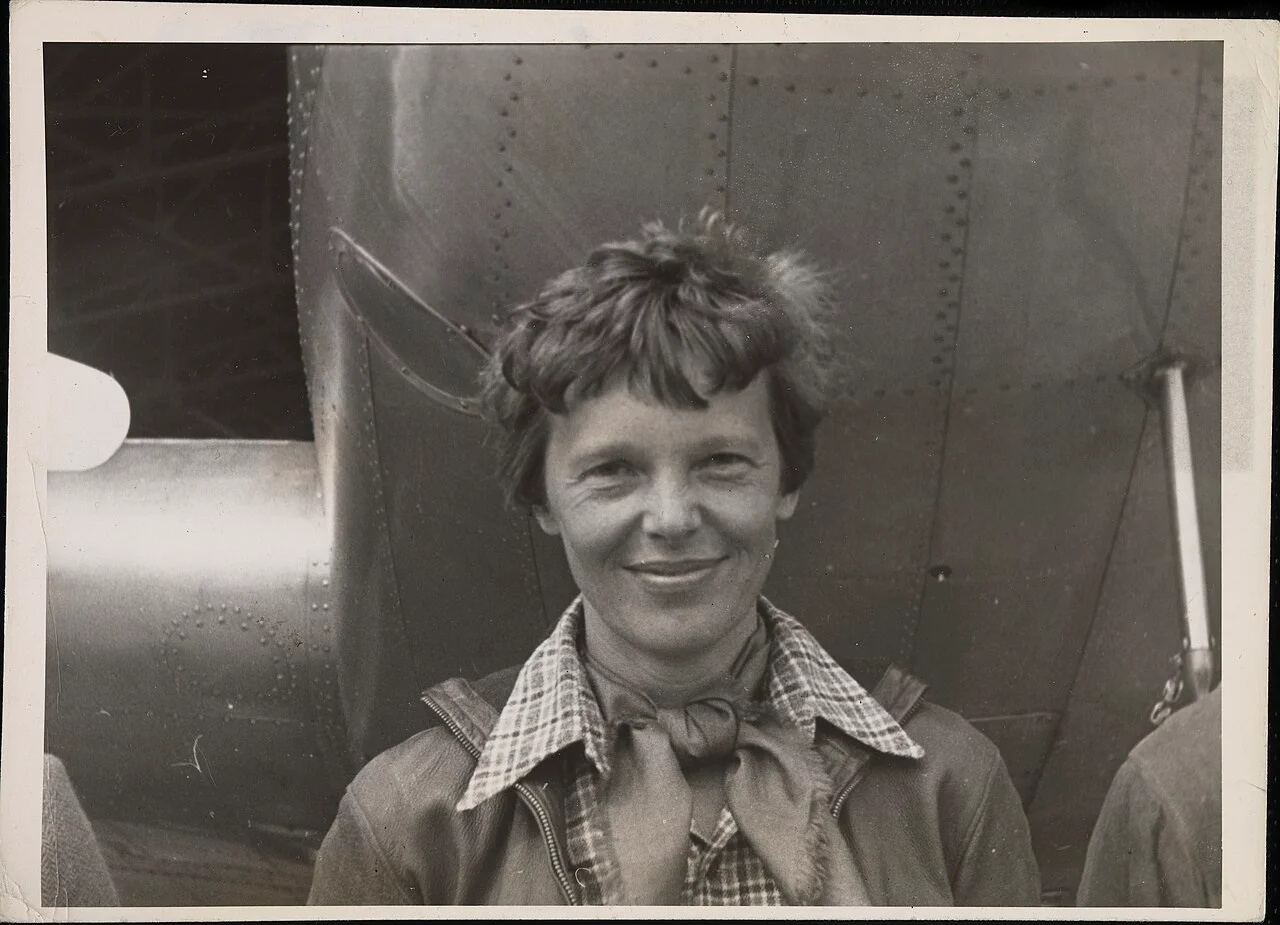
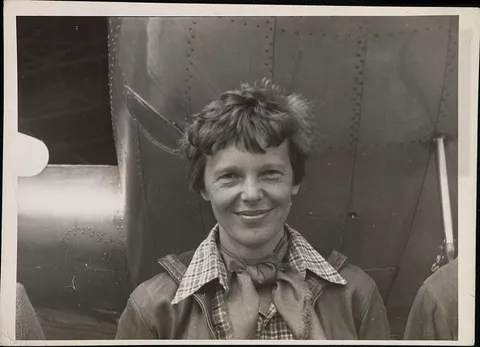
A historical black-and-white photograph of Amelia Earhart from the Smithsonian National Portrait Gallery.View image
Archival photograph

Where did Earhart and Noonan go after their last authenticated messages?

1937; searches continue

The story

What we know

On July 2, 1937, Amelia Earhart and navigator Fred Noonan left Lae, New Guinea, for Howland Island during their world-flight attempt. The Coast Guard cutter Itasca received their transmissions, but their aircraft never arrived. The final location of the Lockheed Electra remains unknown. [1] [2] [4]

More context & timeline

Earhart’s disappearance should sit alongside her achievements as an aviator and advocate for women. The operational record documents difficulty locating Howland and communicating effectively. Later stories proposed other islands, capture, or secret missions; those claims require evidence beyond the fact that the aircraft was lost. [1] [2] [4]
  1. July 2, 1937

    Earhart and Noonan depart Lae; Itasca receives the last authenticated messages. [1]

  2. 1937 search

    A major air-and-sea search fails to find the missing aircraft. [2]

  3. October 2026

    The Taraia Object expedition reports that its proposed wreck target was not the Electra. [3]

Look closely

Follow the evidence

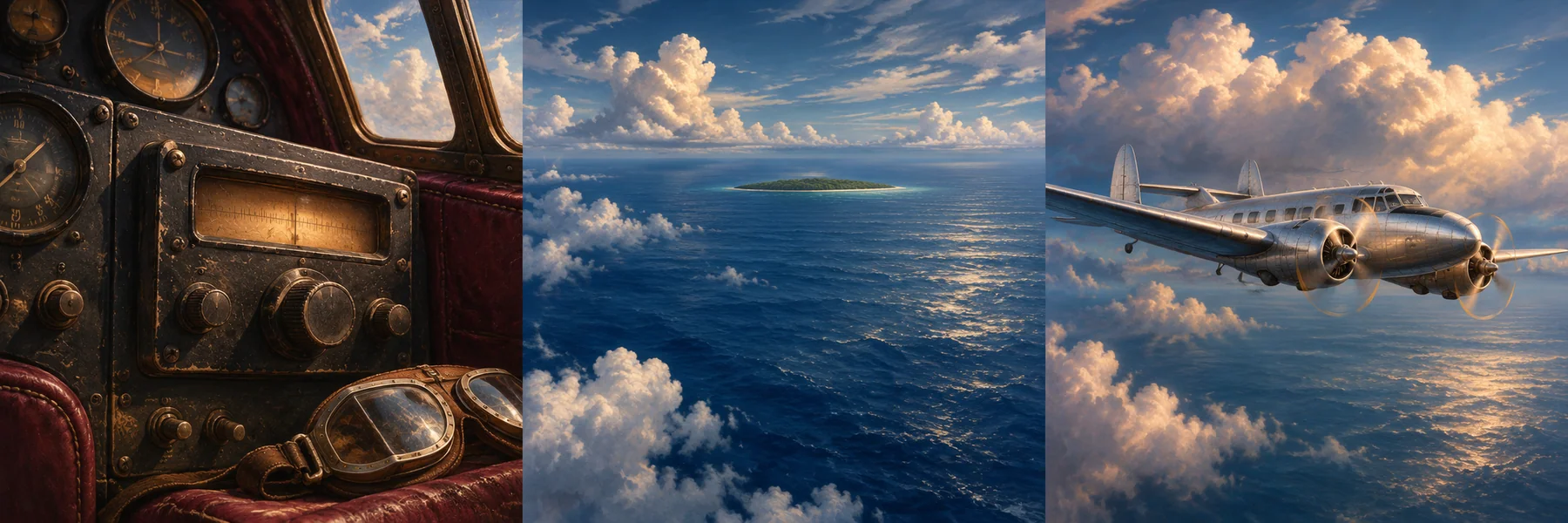
AI-generated atmosphere illustrates the scale and uncertainty of the search. It is not a photograph of the final flight, a discovered wreck, or proof of a landing.

AI-generated editorial illustration: An imagined 1930s aircraft radio
AI illustration · imagined scene
Evidence 1

The surviving radio log

The log records calls about communication trouble and the search for Howland. It is a contemporary operational source, not a later memory reconstructed after years of publicity. [1]

AI-generated editorial illustration: Open Pacific water and a distant low island
AI illustration · imagined scene
Evidence 2

A line is not a location

The final messages refer to a 157–337-degree position line. Without a secure reference point, that line cannot independently identify a crash site or prove a landing on another island. [1]

AI-generated editorial illustration: An imagined 1930s twin-engine aircraft in flight
AI illustration · imagined scene
Evidence 3

A modern target tested

Researchers investigated a plane-like anomaly in Nikumaroro’s lagoon in October 2026. They found that it was likely deposited trees with a reflective coating, rather than the missing aircraft. [3]

Interpret the evidence

What could explain it?

Follow a possibility. Weigh what supports it. See where the evidence stops.

AI artwork sets the scene; it does not reconstruct an established answer.

Explore an explanationFuel exhaustion and a sea landing

The support

Smithsonian identifies failure to locate Howland followed by fuel exhaustion and ditching as the most reasonable explanation from the known flight. [2]

The limit

No confirmed wreck establishes precisely where the aircraft came down. [2]

Explore an explanationA landing and castaway survival

The support

Nikumaroro proponents cite photographs, island artifacts, radio bearings, and old bone measurements. The 2026 team retained this broader hypothesis. [3]

The limit

No definitive connection was found. The failure of its lagoon target cannot be relabelled as a wreck discovery. [3]

Explore an explanationCapture or a secret mission

The support

Such stories became part of the case’s popular afterlife and generated repeated searches for corroboration. [4]

The limit

Their circulation is not evidence that capture occurred. The cited museum account treats them as speculation. [4]

What would distinguish an object compatible with a 1930s aircraft from one demonstrably belonging to Earhart’s Electra?
A historical black-and-white photograph of Amelia Earhart from the Smithsonian National Portrait Gallery.
Archival photograph

Connected place

National Air and Space Museum

A museum connection to Earhart’s life and aviation achievements, not the location of her disappearance.

Visitor guide

The museum’s Earhart collection includes material from her career. Her record-setting Vega was a different aircraft from the missing Electra; check current displays.

AI-generated editorial illustration: An imagined 1930s twin-engine aircraft in flight
AI illustration · imagined scene

Keep investigating

Step beyond the story.

Explore the connected place, examine the records, and form your own reading of the evidence.

Photo credits & full-image view
Amelia Earhart in a 1937 photograph by Underwood & Underwood, National Portrait Gallery.

Underwood & Underwood / National Portrait Gallery, Smithsonian Institution · Image source · CC0 1.0

Resized without enlargement and converted to WebP; orientation follows source metadata. No manual crop or content alteration. The complete downloaded frame is preserved; card or banner display crops may be used. Image derivatives retain the stated image rights or license.

Scene artwork is AI-generated editorial illustration. Real photographs and original records retain their separate credits.

Sources & further reading

Original TrekBoundX writing. Research reviewed November 24, 2026. Source links do not imply institutional endorsement.

  1. National ArchivesRadio Log of the Last Communications of Amelia EarhartExamine the source
  2. Smithsonian National Air and Space MuseumAmelia Earhart: collection biographyExamine the source
  3. Purdue UniversitySearch continues after Taraia Object expedition rules out latest hypothesis (October 2026)Examine the source
  4. Smithsonian National Air and Space MuseumFacts and Fiction in the Search for Amelia EarhartExamine the source
Suggest a correction
All mysteriesNext mysteryD. B. Cooper

Amelia Earhart’s Last Flight — image

A historical black-and-white photograph of Amelia Earhart from the Smithsonian National Portrait Gallery.
Amelia Earhart in a 1937 photograph by Underwood & Underwood, National Portrait Gallery.

Underwood & Underwood / National Portrait Gallery, Smithsonian Institution · Image source · CC0 1.0

Resized without enlargement and converted to WebP; orientation follows source metadata. No manual crop or content alteration. The complete downloaded frame is preserved; card or banner display crops may be used. Image derivatives retain the stated image rights or license.