
All mysteries

Lost evidence

The Missing Peking Man Fossils

0 of 3 evidence items examined
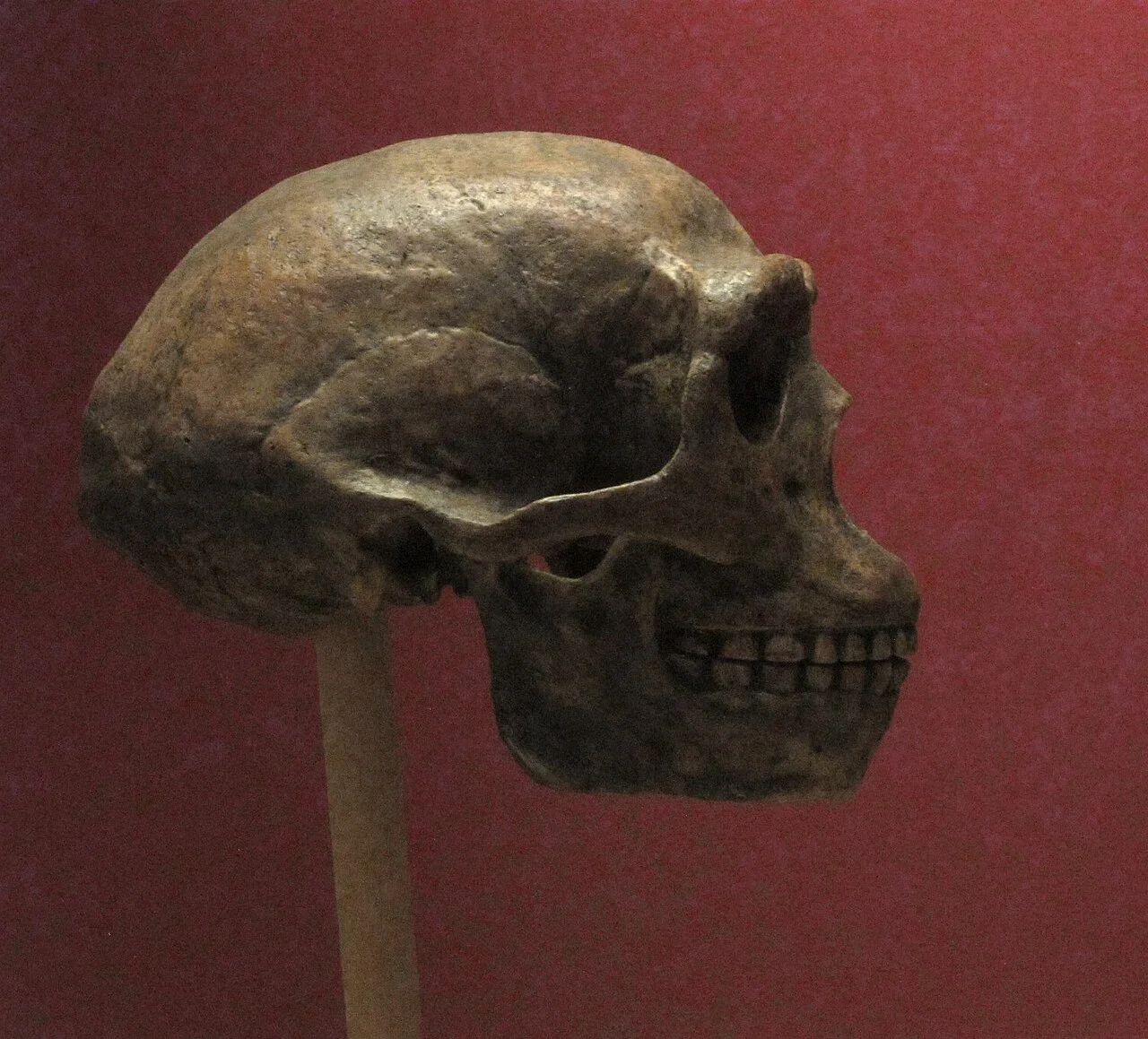
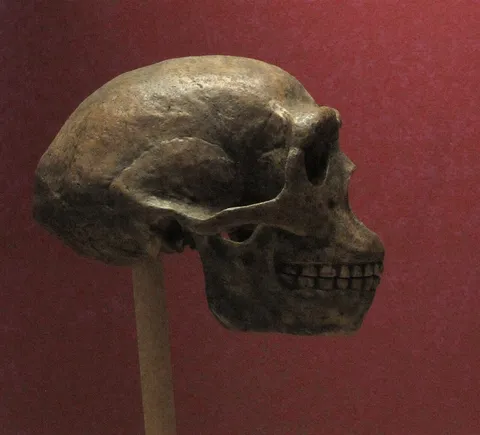
A reconstructed Peking Man skull cast on display at the American Museum of Natural History.View image
Museum cast photograph

Where did a crucial collection of human fossils go in 1941?

Excavated 1920s–1930s / missing since 1941

The story

What we know

Excavations at Zhoukoudian produced remarkable remains of Homo erectus, historically called Peking Man. Scientists studied the fossils and made casts. As war threatened the collection in 1941, plans were made to move it abroad for safekeeping. The original pre-war collection then vanished from the historical trail. [1] [2] [3]

More context & timeline

The loss concerns particular original fossils, not the destruction of every trace of research at Zhoukoudian. Casts and documentation preserve substantial scientific information, and later excavations added new material. Even the often-repeated account of a completed handover to the United States military has been challenged by archival research. [1] [2] [3]
  1. 1920s–1930s

    Excavations establish Zhoukoudian as a major source of early human fossil evidence. [1]

  2. 1937

    War interrupts the original research programme. [2]

  3. December 1941

    The missing collection’s trail breaks down amid wartime plans for protection and transport. [3]

Look closely

Follow the evidence

Imagined casts and shipment scenes, not photographs of recovered missing originals or a proven account of their final journey.

AI-generated editorial illustration: A conceptual early-human skull cast
AI illustration · imagined scene
Evidence 1

A planned journey is not a proven journey

A 2021 archival study challenges chronological inconsistencies in the standard export story. Repeated testimony does not replace a securely documented chain of custody. [3]

AI-generated editorial illustration: An imagined wartime shipment setting
AI illustration · imagined scene
Evidence 2

A later recollection can be tested

A 2012 paper investigated a former marine’s much later report of fossil-like material in wartime storage. It supplied a research lead, not a verified recovery of the lost collection. [4]

AI-generated editorial illustration: An imagined archive of fossil casts
AI illustration · imagined scene
Evidence 3

Survival can mean different things

A tooth identified in an Uppsala collection came from separately preserved material. It illustrates why a surviving original, a cast, and a post-war discovery must each be described accurately. [5]

Interpret the evidence

What could explain it?

Follow a possibility. Weigh what supports it. See where the evidence stops.

AI artwork sets the scene; it does not reconstruct an established answer.

Explore an explanationLost before the intended export

The support

The archival critique finds reasons to doubt that the collection ever reached the American military as usually described. [3]

The limit

Questioning that handover does not establish a different hiding place. The critique narrows what is supported rather than supplying a replacement location. [3]

Explore an explanationLost along a wartime transport or storage route

The support

Later witness reports have prompted investigations of possible movements and storage after the planned evacuation began. [4]

The limit

No verified sequence ties a proposed crate or storage site to the missing fossils. The wartime confusion cannot be filled with certainty from recollection alone. [4]

What is lost when scientists retain a cast but can no longer examine the original material?
A reconstructed Peking Man skull cast on display at the American Museum of Natural History.
Museum cast photograph

Connected place

Peking Man Site at Zhoukoudian

The protected archaeological landscape where the discoveries were made.

Visitor guide

UNESCO supplies heritage context. Check local museum and site information for current access; this destination is not an identified location of the missing wartime collection.

AI-generated editorial illustration: An imagined archive of fossil casts
AI illustration · imagined scene

Keep investigating

Step beyond the story.

Explore the connected place, examine the records, and form your own reading of the evidence.

Photo credits & full-image view
A cast reconstructing a Peking Man skull at the American Museum of Natural History, photographed in 2014. The lost original fossils are not shown.

Ismoon · Image source · CC BY-SA 4.0

Resized without enlargement and converted to WebP; orientation follows source metadata. No manual crop or content alteration. The complete downloaded frame is preserved; card or banner display crops may be used. Image derivatives retain the stated rights or license.

Scene artwork is AI-generated editorial illustration. Real photographs and original records retain their separate credits.

Sources & further reading

Original TrekBoundX writing. Research reviewed November 24, 2026. Source links do not imply institutional endorsement.

  1. Natural History Museum, LondonHomo erectus: our ancient ancestorExamine the source
  2. UNESCO World Heritage CentrePeking Man Site at ZhoukoudianExamine the source
  3. Roberts, DeVisser and Marrant / PaleoAnthropologyTreacherous Evidence: Archival Documents and the Search for Peking ManExamine the source
  4. Berger, Liu and Wu / South African Journal of ScienceInvestigation of a credible report by a US Marine on the location of the missing Peking Man fossilsExamine the source
  5. Kundrát and colleagues / Acta Anthropologica Sinica, IVPPNew Tooth of Peking Man Recognized in the Museum of Evolution of Uppsala UniversityExamine the source
Suggest a correction
All mysteriesNext mysteryThe Gardner Museum Heist

The Missing Peking Man Fossils — image

A reconstructed Peking Man skull cast on display at the American Museum of Natural History.
A cast reconstructing a Peking Man skull at the American Museum of Natural History, photographed in 2014. The lost original fossils are not shown.

Ismoon · Image source · CC BY-SA 4.0

Resized without enlargement and converted to WebP; orientation follows source metadata. No manual crop or content alteration. The complete downloaded frame is preserved; card or banner display crops may be used. Image derivatives retain the stated rights or license.