All mysteries

Literature and legend · Folklore & evidence

Atlantis: Start with Plato

0 of 3 evidence items examined
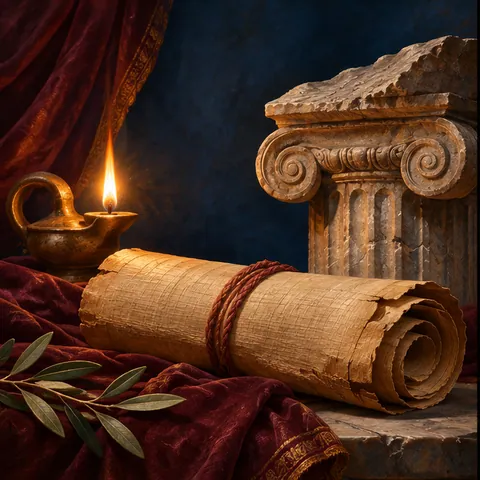
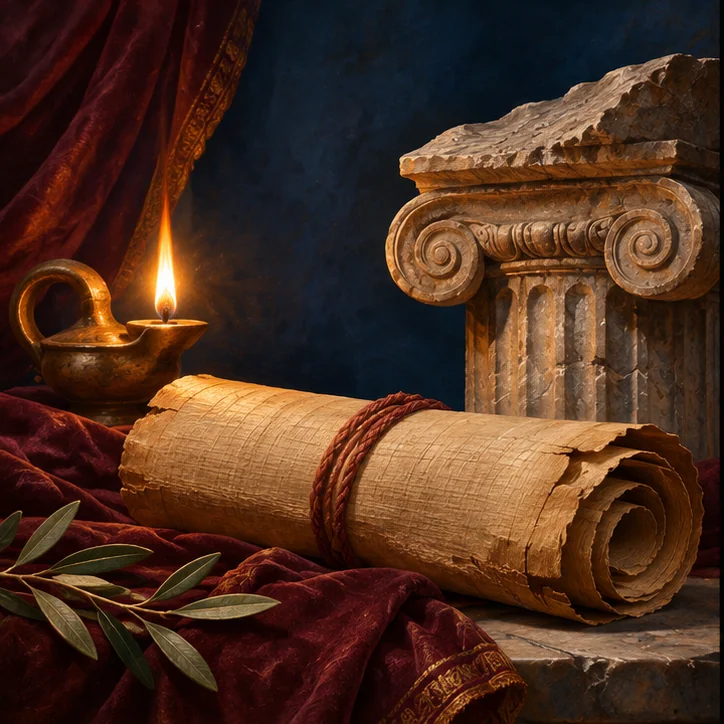
AI-generated editorial illustration: An imagined papyrus roll beside a classical-style column fragment.View image
AI illustration · imagined scene

What happens when a philosophical story is treated as an archaeological address?

Fourth century BCE–present

The story

What we know

Plato introduces Atlantis in the Timaeus and expands it in the Critias. His speakers describe conflict between Athens and an island power. Before treating the story as a geographical puzzle, its literary setting and philosophical purpose require attention. [1] [2] [3]

More context & timeline

No confirmed archaeological identification follows from the dialogues. Their descriptions can be studied as literature, political reflection, and a claim presented by a character within a conversation. A modern landscape that resembles one selected feature cannot by itself establish that it is Plato’s island. [1] [2] [3]

  1. Fourth century BCE

    Plato’s dialogues provide the surviving foundation of the Atlantis account. [1]

  2. Modern scholarship

    Researchers examine the narrative within the Timaeus–Critias and its philosophical context. [3]

  3. Digital mapping era

    NOAA explains why apparent underwater street grids can be artefacts of survey data. [4]
Look closely

Follow the evidence

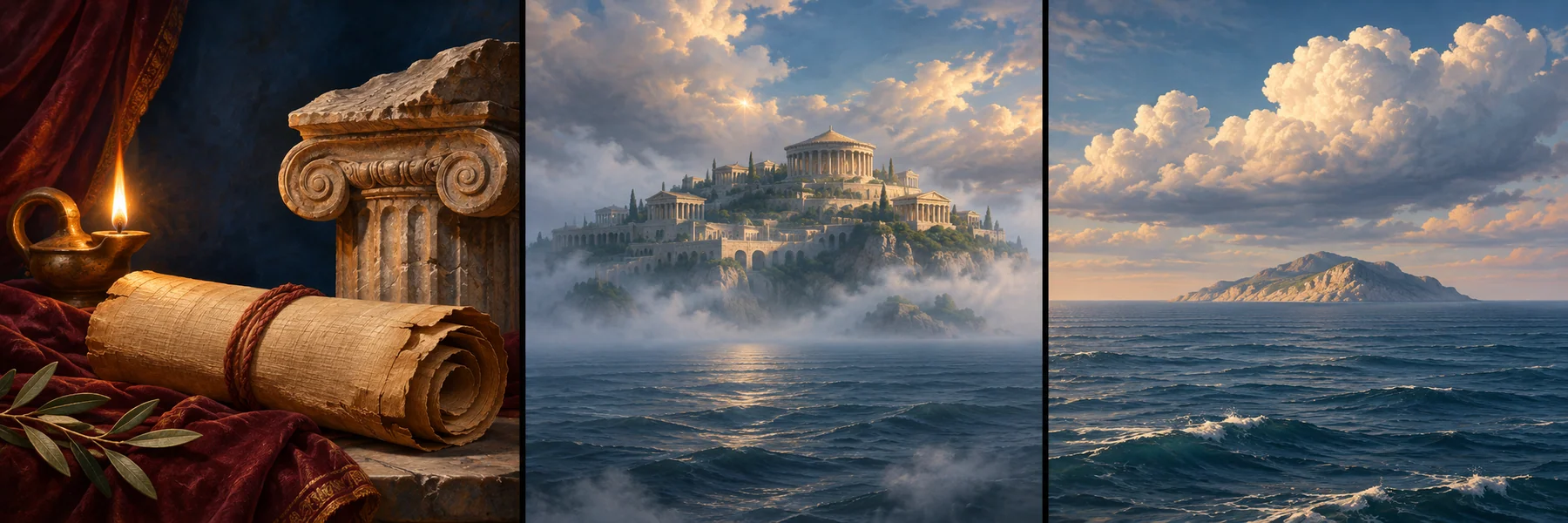
The island scene illustrates Plato’s literary account, not a discovered civilisation. No image confirms Atlantis as a real lost continent or assigns it a modern location.

AI-generated editorial illustration: An imagined papyrus roll beside a classical-style column fragment.
AI illustration · imagined scene
Evidence 1

The story has a frame

The account comes through speakers and a reported chain of transmission. That literary structure must be examined rather than treated as a modern excavation report. [1]

AI-generated editorial illustration: An imagined island city representing a literary setting.
AI illustration · imagined scene
Evidence 2

Wealth and power drive the narrative

Critias describes an organised, wealthy island society and its moral deterioration. Those themes connect its impressive geography with the dialogue’s larger concerns. [2]

AI-generated editorial illustration: A quiet sea and distant rocky island.
AI illustration · imagined scene
Evidence 3

A convincing pattern may be in the data

NOAA explains that some apparent seafloor grids reflect how sonar surveys were combined. A map image can look like a city without representing physical streets at all. [4]

Interpret the evidence

Fact, record and legend

Follow a possibility. Weigh what supports it. See where the evidence stops.

AI artwork sets the scene; it does not reconstruct an established answer.

Explore an explanationA constructed narrative about society and power

The support

The contrast between Athens and an expansive island empire fits philosophical and political questions explored within the dialogues. [3]

The limit

Interpreting its purpose still requires argument. Recognising a literary function does not let a reader assign every detail a single simple allegorical meaning. [3]

Explore an explanationA remembered place behind the story

The support

The speaker presents the account as transmitted history, which has encouraged readers to seek a real-world setting. [1]

The limit

A claim inside a dialogue is not independent confirmation. A proposed location must fit chronology, material evidence, and the broader description—not merely one attractive resemblance. [1]

If a story feels geographically precise, what independent evidence would you need before treating it as history?
AI-generated editorial illustration: An imagined papyrus roll beside a classical-style column fragment.
AI illustration · imagined scene

Connected place

National Archaeological Museum, Athens

A public museum providing context for ancient Greek material culture.

Visitor guide

Consult official visitor information. This is context for Plato’s world, not an Atlantis excavation, an authenticated relic collection, or a claimed location of the island.

AI-generated editorial illustration: A quiet sea and distant rocky island.
AI illustration · imagined scene

Keep investigating

Step beyond the story.

Explore the connected place, examine the records, and form your own reading of the evidence.

Photo credits & full-image view
AI-generated editorial illustration for The search for Atlantis. It is an imagined scene, not a historical photograph or source evidence.

Created for TrekboundX · Image source · AI artwork details

Left panel extracted from a generated triptych and optimized as WebP without enlargement. The original PNG and generation prompt are preserved in the project artwork ledger.

Scene artwork is AI-generated editorial illustration. Real photographs and original records retain their separate credits.

Sources & further reading

Original TrekBoundX writing. Research reviewed November 25, 2026. Source links do not imply institutional endorsement.

  1. Plato / Internet Classics Archive, MITTimaeus, translated by Benjamin JowettExamine the source
  2. Plato / Internet Classics Archive, MITCritias, translated by Benjamin JowettExamine the source
  3. Internet Encyclopedia of Philosophy, University of Tennessee at MartinPlato: The TimaeusExamine the source
  4. NOAA National Ocean ServiceDid I find the lost underwater civilization of Atlantis?Examine the source
Suggest a correction
All mysteriesNext mysteryJohn Dillinger’s Death and the Impostor Claim

Atlantis: Start with Plato — image

AI-generated editorial illustration: An imagined papyrus roll beside a classical-style column fragment.
AI-generated editorial illustration for The search for Atlantis. It is an imagined scene, not a historical photograph or source evidence.

Created for TrekboundX · Image source · AI artwork details

Left panel extracted from a generated triptych and optimized as WebP without enlargement. The original PNG and generation prompt are preserved in the project artwork ledger.