
All mysteries

Unsolved crimes

Elizabeth Short: Beyond the Black Dahlia Name

0 of 3 evidence items examined
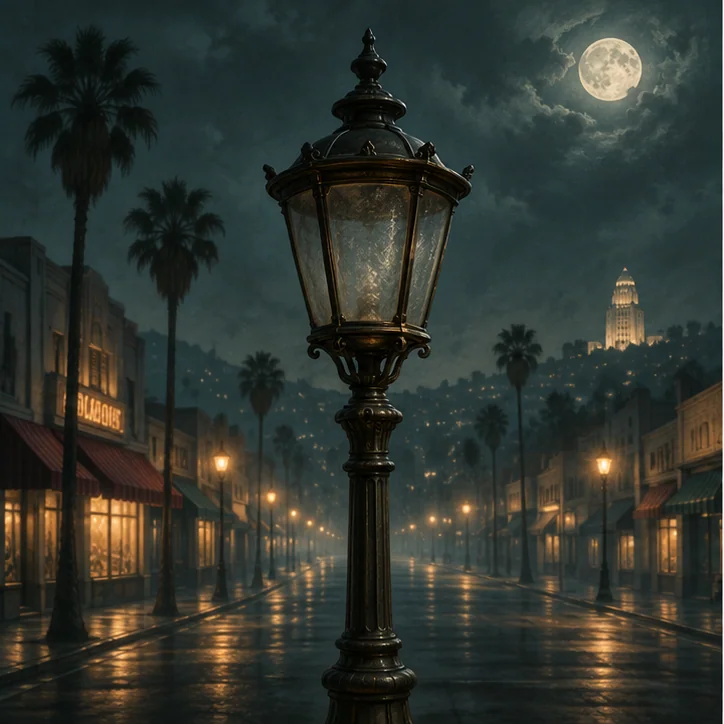
AI-generated editorial illustration: A vintage streetlamp over a quiet nighttime street.View image
AI illustration · imagined scene

Which surviving clues can identify a killer without turning suspicion into certainty?

1947–present

The story

What we know

Elizabeth Short was twenty-two when she was found dead in Los Angeles on 15 January 1947. Newspapers made the name Black Dahlia famous. The mystery concerns responsibility for her murder, while the records also preserve a life behind the sensational label. [1] [2]

More context & timeline

The LAPD led the investigation, with assistance from the FBI. Fingerprints identified Short through existing records. Investigators checked leads and examined correspondence, but no confirmed identification of the murderer resulted. The surviving federal file records investigative activity, including suspicion that should never be mistaken for a verdict. [1] [2]
  1. January 1947

    Short is found dead and identified; local police and federal specialists investigate. [1]

  2. 1947

    Letters and notes claiming to assist the investigation arrive at newspapers and police. [3]

  3. Today

    Institutional collections preserve the case record while the murder remains unsolved. [1]

Look closely

Follow the evidence

Imagined Los Angeles and research settings, not the crime scene or case evidence. No victim or uncharged person is represented.

AI-generated editorial illustration: A vintage streetlamp over a quiet nighttime street.
AI illustration · imagined scene
Evidence 1

Identification was a concrete achievement

Fingerprint comparison established Short’s identity. That successful forensic step should be distinguished from later attempts to identify the offender, which did not reach the same result. [1]

AI-generated editorial illustration: An empty newsroom desk with a closed notebook.
AI illustration · imagined scene
Evidence 2

Correspondence needs authentication

A library photograph documents an envelope sent to a newspaper. The catalogue describes letters purporting to provide information; receiving a letter does not prove its author was the killer. [3]

AI-generated editorial illustration: Closed boxes in a public archive reading room.
AI illustration · imagined scene
Evidence 3

The files preserve work, not just answers

Records checks and interviews show how investigators explored possibilities. A named person in an investigative record may have been questioned, suspected, or cleared; the document’s context matters. [2]

Interpret the evidence

What could explain it?

Follow a possibility. Weigh what supports it. See where the evidence stops.

AI artwork sets the scene; it does not reconstruct an established answer.

Explore an explanationA lead grounded in independent case evidence

The support

A credible identification would connect a person to the crime through authenticated records, reliable testimony, or physical evidence that can be independently checked. [2]

The limit

Many proposed solutions rely on resemblance, retrospective interpretation, or selective reading. No theory should be called established merely because it offers a complete story. [2]

Explore an explanationClaims and publicity that obscured the record

The support

The volume of correspondence and intense newspaper interest created additional material for investigators and later writers to interpret. [3]

The limit

That explains why unreliable narratives can proliferate; it does not identify the murderer or justify dismissing every original lead as publicity. [3]

When a case becomes famous, what responsibilities do readers have toward the person whose life it concerns?
AI-generated editorial illustration: A vintage streetlamp over a quiet nighttime street.
AI illustration · imagined scene

Connected place

Los Angeles Central Library

A public library preserving Los Angeles history and newspaper photography.

Visitor guide

Use its digital collections and official visitor information. No private address, burial visit, or crime-scene tour is proposed; some historical collections contain distressing material.

AI-generated editorial illustration: Closed boxes in a public archive reading room.
AI illustration · imagined scene

Keep investigating

Step beyond the story.

Explore the connected place, examine the records, and form your own reading of the evidence.

Photo credits & full-image view
AI-generated editorial illustration for The Black Dahlia. It is an imagined scene, not a historical photograph or source evidence.

Created for TrekboundX · Image source · AI artwork details

Left panel extracted from a generated triptych and optimized as WebP without enlargement. The original PNG and generation prompt are preserved in the project artwork ledger.

Scene artwork is AI-generated editorial illustration. Real photographs and original records retain their separate credits.

Sources & further reading

Original TrekBoundX writing. Research reviewed November 25, 2026. Source links do not imply institutional endorsement.

  1. Federal Bureau of InvestigationBlack DahliaExamine the source
  2. Federal Bureau of Investigation: Records VaultBlack Dahlia investigative file, Part 1Examine the source
  3. Los Angeles Public LibraryEnvelope addressed to the Herald, 1947, Herald Examiner CollectionExamine the source
  4. Los Angeles Public LibraryThe First With the Latest! Aggie Underwood, the Los Angeles Herald, and the Sordid Crimes of a CityExamine the source
Suggest a correction
All mysteriesNext mysteryMontezuma’s Treasure: Gold and Retelling

Elizabeth Short: Beyond the Black Dahlia Name — image

AI-generated editorial illustration: A vintage streetlamp over a quiet nighttime street.
AI-generated editorial illustration for The Black Dahlia. It is an imagined scene, not a historical photograph or source evidence.

Created for TrekboundX · Image source · AI artwork details

Left panel extracted from a generated triptych and optimized as WebP without enlargement. The original PNG and generation prompt are preserved in the project artwork ledger.