All mysteries

Lost tombs

Genghis Khan’s Lost Tomb

0 of 3 evidence items examined
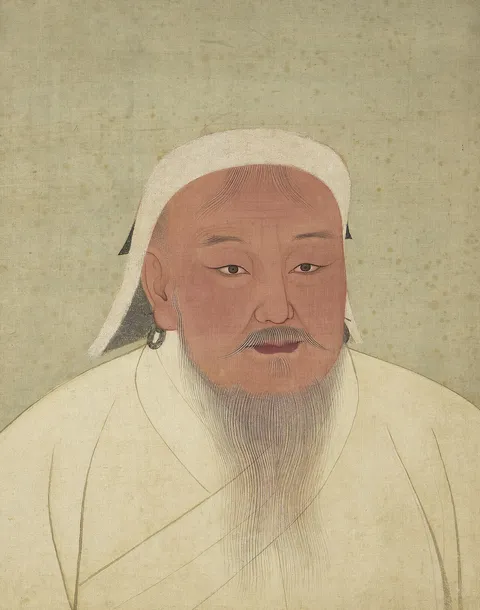
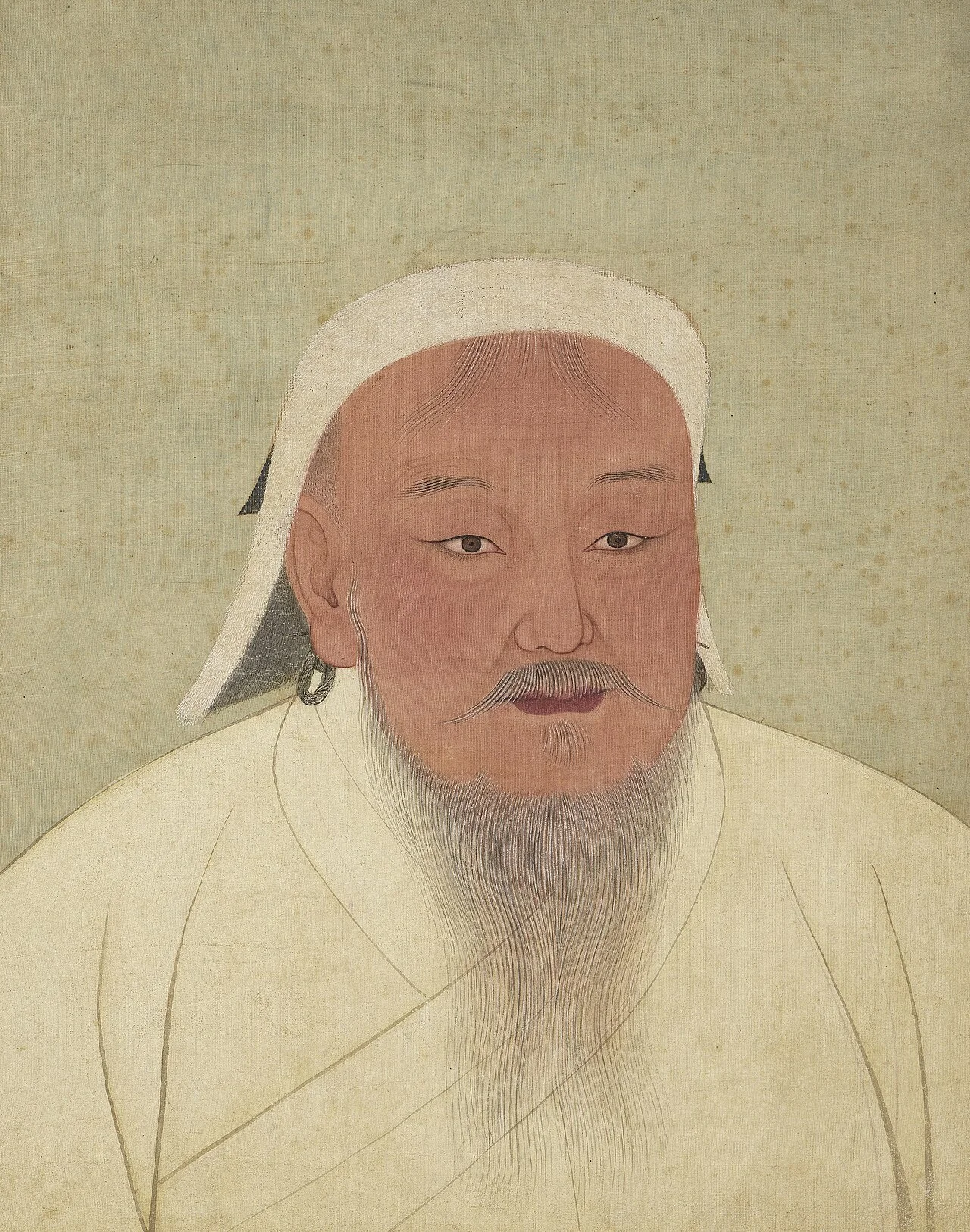
A painted posthumous Yuan-era portrait of Genghis Khan in a white robe and dark cap.View image
Posthumous portrait

Why has his burial place never been securely identified?

From 1227

The story

What we know

Genghis Khan, also known as Chinggis Khan, died in 1227. His burial became entangled with traditions of secrecy and a landscape of enduring religious importance. No confirmed grave has emerged. Understanding that uncertainty also means understanding why many people want the burial to remain undisturbed. [1] [2]

More context & timeline

Burkhan Khaldun is associated with Chinggis Khan’s life, mountain worship and reputed burial. UNESCO recognizes those cultural connections. A sacred association is meaningful evidence about memory and belief, but it is not archaeological identification of a particular grave or a description of its contents. [1] [2]

  1. 1206

    The Mongol Empire is established; sacred-mountain traditions become part of its story. [1]

  2. 1227

    His death begins a burial history with disputed details. [2]

  3. 2014

    A noninvasive survey publishes archaeological findings without identifying the grave. [3]

  4. 2015

    The sacred landscape enters the World Heritage List. [1]
Look closely

Follow the evidence

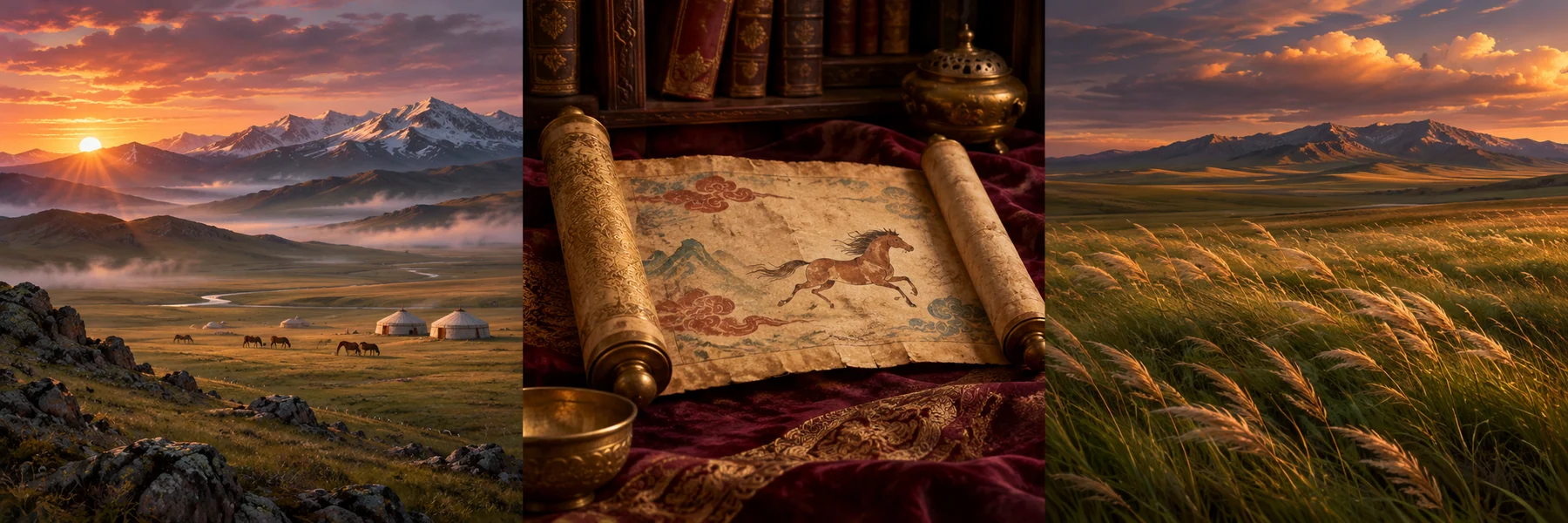
Atmospheric illustrations, not views of a discovered burial or a reconstruction of the funeral. No scene locates or depicts the grave.

AI-generated editorial illustration: An imagined Mongolian mountain landscape
AI illustration · imagined scene
Evidence 1

A landscape of living significance

Burkhan Khaldun’s traditions connect Chinggis Khan with mountain worship. They explain the place’s importance without providing coordinates for his burial. [1]

AI-generated editorial illustration: An invented manuscript and horse motif
AI illustration · imagined scene
Evidence 2

Accounts that need comparison

Early and later narratives differ. Historian Morris Rossabi examines the uncertain reports and later embellishments instead of treating every dramatic funeral story as an eyewitness description. [2]

AI-generated editorial illustration: Untouched grassland beneath distant mountains
AI illustration · imagined scene
Evidence 3

Archaeological sites, not an identified tomb

A satellite and volunteer survey led to verification of archaeological sites across a large landscape. Such discoveries demonstrate human activity; none established Chinggis Khan’s grave. [3]

Interpret the evidence

What could explain it?

Follow a possibility. Weigh what supports it. See where the evidence stops.

AI artwork sets the scene; it does not reconstruct an established answer.

Explore an explanationBurial within the traditional landscape

The support

Historical traditions and the mountain’s associations make the Khentii landscape relevant. [1]

The limit

A broad association cannot identify one burial or establish what it looks like. [1]

Explore an explanationAn inconspicuous grave and lost knowledge

The support

Sparse physical descriptions and uncertain accounts help explain why searches have no securely defined target. [2]

The limit

This explains a difficulty, not a proven location or burial design. [2]

Explore an explanationElaborate concealment legends

The support

Later stories invoke diverted rivers and the killing of witnesses to explain secrecy. [2]

The limit

These are narrative claims, not established archaeological events. Their dramatic detail cannot substitute for verification. [2]

How can a place be historically important even when it cannot identify a grave?
A painted posthumous Yuan-era portrait of Genghis Khan in a white robe and dark cap.
Posthumous portrait

Connected place

Chinggis Khaan National Museum

A public destination in Ulaanbaatar for learning about Mongol history and heritage.

Visitor guide

This museum is not the tomb. No presumed burial coordinates are supplied. Burkhan Khaldun is sacred and protected; do not assume unrestricted access.

AI-generated editorial illustration: Untouched grassland beneath distant mountains
AI illustration · imagined scene

Keep investigating

Step beyond the story.

Explore the connected place, examine the records, and form your own reading of the evidence.

Photo credits & full-image view
A posthumous Yuan-era portrait of Genghis Khan, held by the National Palace Museum in Taipei.

Unknown Yuan-era artist; National Palace Museum, Taipei, digitization · Image source · Public domain (PD-old-100-expired / PD-Art)

Resized without enlargement and converted to WebP; orientation follows source metadata. No manual crop or content alteration. The complete downloaded frame is preserved; card or banner display crops may be used. Image derivatives retain the stated image rights or license.

Scene artwork is AI-generated editorial illustration. Real photographs and original records retain their separate credits.

Sources & further reading

Original TrekBoundX writing. Research reviewed November 24, 2026. Source links do not imply institutional endorsement.

  1. UNESCO World Heritage CentreGreat Burkhan Khaldun Mountain and its surrounding sacred landscapeExamine the source
  2. Morris Rossabi / Blackwell PublishingCritical introduction to Genghis Khan: His Life and LegacyExamine the source
  3. Lin and colleagues / PLOS ONECrowdsourcing the Unknown: The Satellite Search for Genghis Khan (2014)Examine the source
  4. Chinggis Khaan National MuseumOfficial visitor informationExamine the source
Suggest a correction
All mysteriesNext mysteryAlexander’s Missing Tomb

Genghis Khan’s Lost Tomb — image

A painted posthumous Yuan-era portrait of Genghis Khan in a white robe and dark cap.
A posthumous Yuan-era portrait of Genghis Khan, held by the National Palace Museum in Taipei.

Unknown Yuan-era artist; National Palace Museum, Taipei, digitization · Image source · Public domain (PD-old-100-expired / PD-Art)

Resized without enlargement and converted to WebP; orientation follows source metadata. No manual crop or content alteration. The complete downloaded frame is preserved; card or banner display crops may be used. Image derivatives retain the stated image rights or license.