
All mysteries

History and claims · Documented history

Hitler’s Final Days and the Escape Myth

0 of 3 evidence items examined
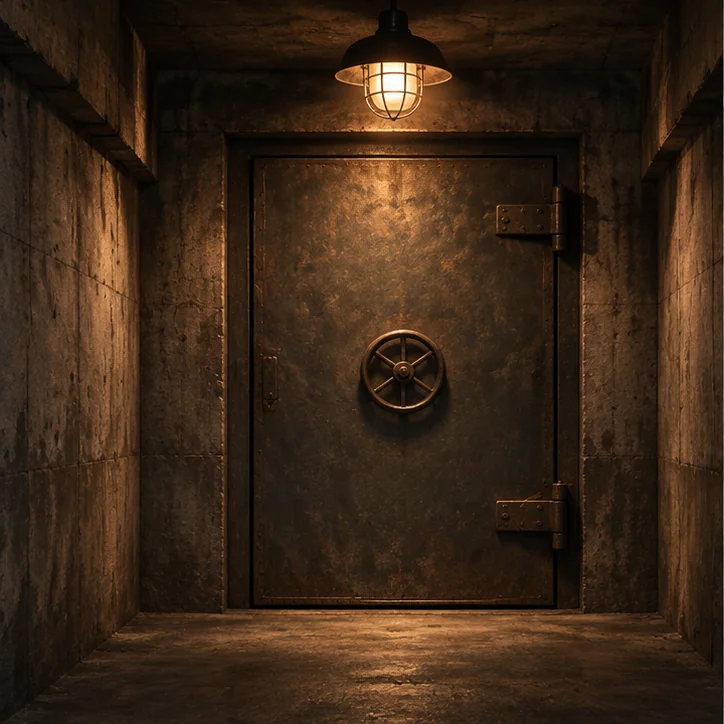
AI-generated editorial illustration: A closed steel door in a dim underground corridor.View image
AI illustration · imagined scene

Why did escape stories persist after investigators established Hitler’s death?

1945 and later investigations

The story

What we know

Adolf Hitler died by suicide in Berlin on 30 April 1945 as the Nazi regime collapsed. The historical questions concern reconstruction of his final days and the persistence of contrary stories. His survival is not an equally supported alternative. [1] [2] [3]

More context & timeline

Allied investigators questioned members of Hitler’s staff who had been in the bunker. British intelligence officer and historian Hugh Trevor-Roper used these accounts to investigate the death. Dental identification supplies a different evidentiary strand from recollection; later biomedical study further supported identification of the remains. [1] [2] [3]
  1. 30 April 1945

    Hitler dies in Berlin; the final collapse of Nazi rule follows. [1]

  2. 1945

    Allied officers interrogate surviving members of the bunker staff about the final days. [2]

  3. 2018

    Researchers publish a biomedical examination supporting identification of the dental remains. [3]

Look closely

Follow the evidence

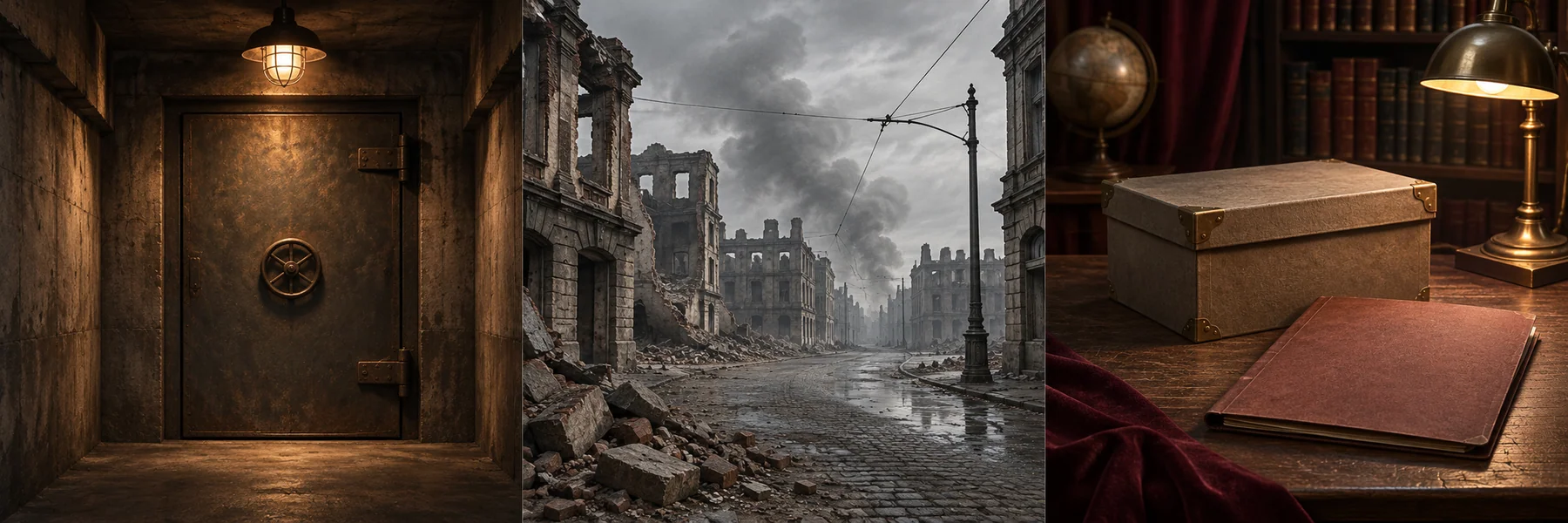
Imagined settings for documented final-days history. Hitler’s death in Berlin is established; the images do not endorse escape stories or recreate forensic evidence.

AI-generated editorial illustration: A closed steel door in a dim underground corridor.
AI illustration · imagined scene
Evidence 1

Testimony can be cross-checked

Multiple staff accounts place the final events in the bunker. Their value comes from comparing timing, access, and agreement—not assuming every remembered detail is perfect. [2]

AI-generated editorial illustration: An empty damaged street evoking wartime Berlin.
AI illustration · imagined scene
Evidence 2

Identity has physical evidence

Distinctive dental work and its comparison with historical records underpin identification. This addresses who died, a different question from minor disagreements about the final sequence. [3]

AI-generated editorial illustration: A closed archival box on a research table.
AI illustration · imagined scene
Evidence 3

A rumour can generate an archive

Governments investigate tips and uncertain reports. The presence of a survival allegation in a file means someone recorded or examined it, not that the allegation was verified. [2]

Interpret the evidence

Fact, record and legend

Follow a possibility. Weigh what supports it. See where the evidence stops.

AI artwork sets the scene; it does not reconstruct an established answer.

Explore an explanationDeath in the Berlin bunker

The support

The established account rests on witness reconstruction, the wartime context, and identification evidence, with museum and research institutions documenting the conclusion. [1]

The limit

Some fine details remain subject to historical analysis. Those limits do not make death and escape equally supported alternatives. [1]

Explore an explanationEscape stories built from uncertainty

The support

Destroyed surroundings, incomplete initial information, and competing postwar accounts created opportunities for rumours to persist. [2]

The limit

A proposed route, a claimed sighting, or an investigated tip cannot establish that Hitler used that route or survived. Such claims must confront the positive identification evidence. [2]

What is the difference between an archive preserving a claim and an archive proving it?
AI-generated editorial illustration: A closed steel door in a dim underground corridor.
AI illustration · imagined scene

Connected place

Topography of Terror Documentation Center

A public Berlin institution explaining Nazi persecution and the institutions responsible.

Visitor guide

Consult official visitor information. This learning destination is not a burial site, an escape-route attraction, or a promise of access to former underground structures.

AI-generated editorial illustration: A closed archival box on a research table.
AI illustration · imagined scene

Keep investigating

Step beyond the story.

Explore the connected place, examine the records, and form your own reading of the evidence.

Photo credits & full-image view
AI-generated editorial illustration for Hitler’s final days and escape claims. It is an imagined scene, not a historical photograph or source evidence.

Created for TrekboundX · Image source · AI artwork details

Left panel extracted from a generated triptych and optimized as WebP without enlargement. The original PNG and generation prompt are preserved in the project artwork ledger.

Scene artwork is AI-generated editorial illustration. Real photographs and original records retain their separate credits.

Sources & further reading

Original TrekBoundX writing. Research reviewed November 25, 2026. Source links do not imply institutional endorsement.

  1. United States Holocaust Memorial MuseumAdolf HitlerExamine the source
  2. MI5: The Security ServiceHitler’s last daysExamine the source
  3. Charlier and colleagues / European Journal of Internal MedicineThe remains of Adolf Hitler: A biomedical analysis and definitive identificationExamine the source
  4. Anne Frank HouseHitler diesExamine the source
Suggest a correction
All mysteriesNext mysteryElizabeth Short: Beyond the Black Dahlia Name

Hitler’s Final Days and the Escape Myth — image

AI-generated editorial illustration: A closed steel door in a dim underground corridor.
AI-generated editorial illustration for Hitler’s final days and escape claims. It is an imagined scene, not a historical photograph or source evidence.

Created for TrekboundX · Image source · AI artwork details

Left panel extracted from a generated triptych and optimized as WebP without enlargement. The original PNG and generation prompt are preserved in the project artwork ledger.