
All mysteries

Unsolved crimes

Jack the Ripper

0 of 3 evidence items examined
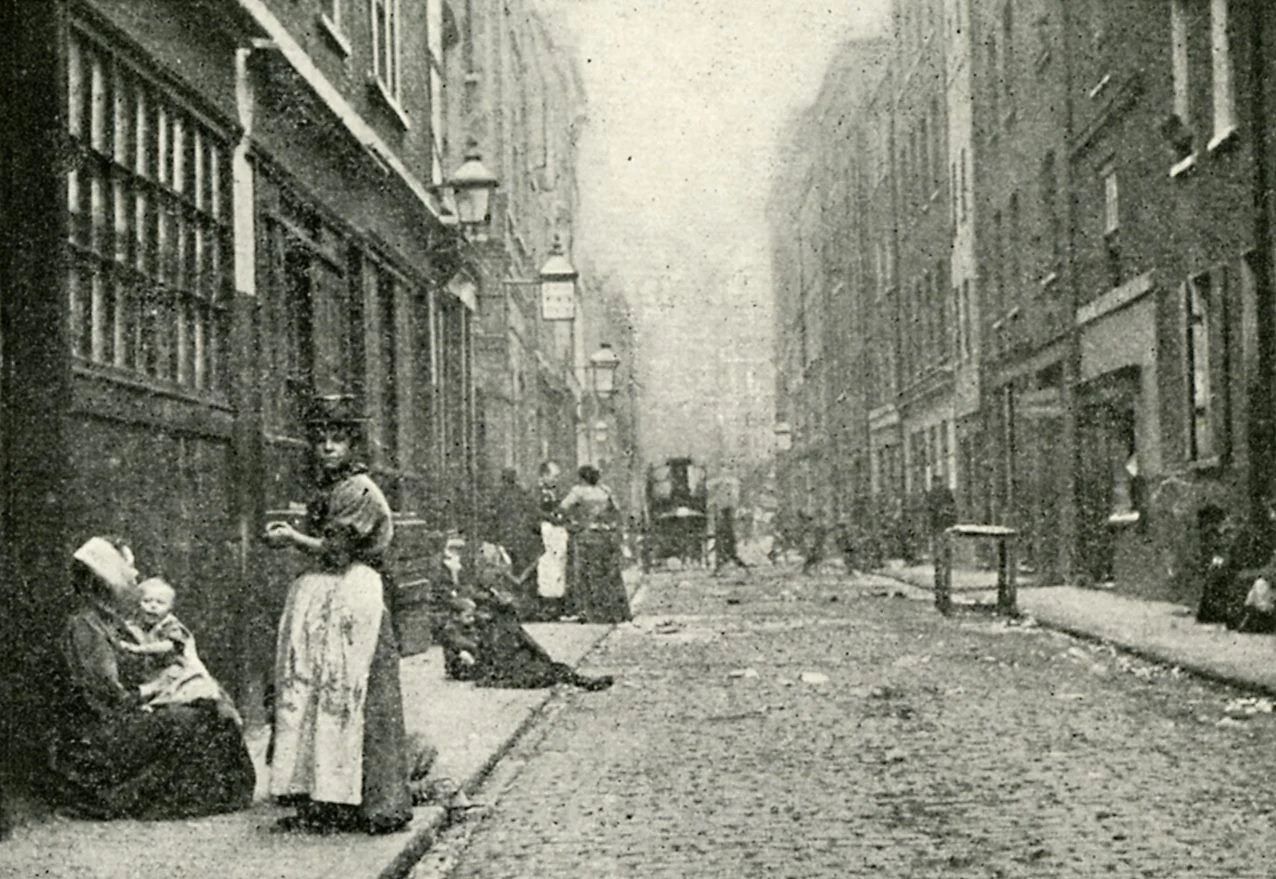
An early twentieth-century street photograph showing people and buildings along Dorset Street in Spitalfields.View image
1902 neighborhood photograph

Which surviving records identify an offender, and which record only suspicion?

1888

The story

What we know

In autumn 1888, Mary Ann Nichols, Annie Chapman, Elizabeth Stride, Catherine Eddowes, and Mary Jane Kelly were murdered in London’s East End. Police linked their deaths to the unidentified offender remembered as Jack the Ripper. Their lives deserve attention beyond the name that overshadowed them. [1] [4]

More context & timeline

The women lived amid poverty and insecure housing. Newspapers transformed the investigation into a public spectacle, while later researchers debated suspects and the number of linked crimes. Neither the familiar five-case grouping nor an accusation in a police document should prevent us from asking how each conclusion was reached. [1] [4]
  1. August–November 1888

    Five murders become the core of the Whitechapel investigation. [1]

  2. October 1888

    Police correspondence discusses closer communication between the forces involved. [4]

  3. 1894

    Macnaghten records preferred suspects years after the murders. [3]

Look closely

Follow the evidence

Imagined records and streets, not original letters, a documented crime scene, victim likenesses or an identified killer.

AI-generated editorial illustration: An imagined Victorian police archive
AI illustration · imagined scene
Evidence 1

A signature without authentication

Police received many letters claiming responsibility. The National Archives finds no strong evidence that any surviving claimant letter was written by the murderer. A dramatic signature does not authenticate its author. [2]

AI-generated editorial illustration: An invented letter and ink bottle
AI illustration · imagined scene
Evidence 2

Police investigating their own methods

Original correspondence discusses communication between forces, bloodhounds, staffing, and possible accomplices. These records show an investigation making decisions under pressure, rather than a single detective possessing a complete picture. [4]

AI-generated editorial illustration: An empty imagined Victorian London street
AI illustration · imagined scene
Evidence 3

A later memorandum

Macnaghten’s 1894 assessment names preferred suspects. Its date matters: it records a senior officer’s later opinion, not an arrest, trial, or witnessed identification during the crimes. [3]

Interpret the evidence

What could explain it?

Follow a possibility. Weigh what supports it. See where the evidence stops.

AI artwork sets the scene; it does not reconstruct an established answer.

Explore an explanationAaron Kosminski as a suspect

The support

Some later police assessments favoured Kosminski, and his name appears in Macnaghten’s notes. [3]

The limit

An officer’s suspicion is evidence about the investigation, not proof of guilt. No accepted identification resolves the case. [3]

Explore an explanationMontague Druitt as a suspect

The support

Macnaghten favoured Druitt, whose death followed the core murder series. [3]

The limit

The Oxford study finds no firm evidence that Druitt was the killer. A chronological coincidence cannot establish responsibility. [3]

Explore an explanationA wider conspiracy

The support

Later theories tried to connect prominent people or secret societies to the murders. [3]

The limit

The Oxford study finds little factual basis for these constructions. Complexity does not compensate for missing evidence. [3]

If you removed the famous signature, which records would still help identify a person rather than merely suggest a story?
An early twentieth-century street photograph showing people and buildings along Dorset Street in Spitalfields.
1902 neighborhood photograph

Connected place

Whitechapel / London Museum

Museum interpretation connects the investigation to the lives and conditions of London’s East End.

Visitor guide

This is a public learning link, not a crime-scene tour or a promise that case evidence is on display.

AI-generated editorial illustration: An empty imagined Victorian London street
AI illustration · imagined scene

Keep investigating

Step beyond the story.

Explore the connected place, examine the records, and form your own reading of the evidence.

Photo credits & full-image view
Dorset Street, Spitalfields, photographed by Jack London in 1902. Historical neighborhood context, not a crime-scene photograph.

Jack London · Image source · Public domain

Resized without enlargement and converted to WebP; orientation follows source metadata. No manual crop or content alteration. The complete downloaded frame is preserved; card or banner display crops may be used. Image derivatives retain the stated rights or license.

Scene artwork is AI-generated editorial illustration. Real photographs and original records retain their separate credits.

Sources & further reading

Original TrekBoundX writing. Research reviewed November 24, 2026. Source links do not imply institutional endorsement.

  1. London MuseumJack the RipperExamine the source
  2. The National ArchivesHoax letter signed by Jack the RipperExamine the source
  3. Jason Morgan / New College, OxfordYours truly Jack the Ripper—of New College, Oxford? (2016)Examine the source
  4. The National ArchivesJack the Ripper: original police correspondence and lettersExamine the source
Suggest a correction
All mysteriesNext mysteryThe Death of Edgar Allan Poe

Jack the Ripper — image

An early twentieth-century street photograph showing people and buildings along Dorset Street in Spitalfields.
Dorset Street, Spitalfields, photographed by Jack London in 1902. Historical neighborhood context, not a crime-scene photograph.

Jack London · Image source · Public domain

Resized without enlargement and converted to WebP; orientation follows source metadata. No manual crop or content alteration. The complete downloaded frame is preserved; card or banner display crops may be used. Image derivatives retain the stated rights or license.