
All mysteries

Disappearance

The Ninth Legion’s Last Record

0 of 3 evidence items examined
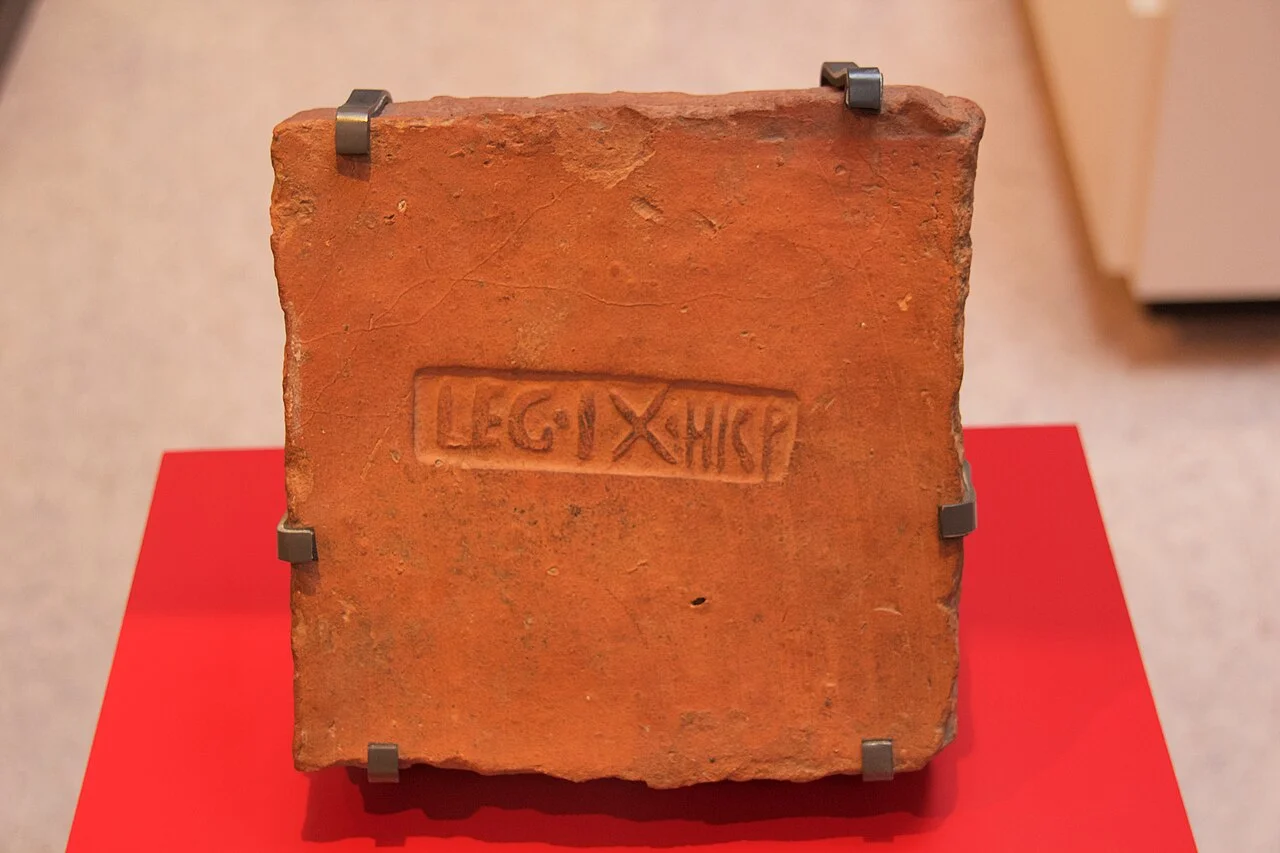
An ancient roof tile bearing the stamp LEG IX, on display at the Yorkshire Museum.View image
Stamped Roman tile photograph

What happened to Rome’s Ninth Legion after its final secure appearances?

First–second centuries CE

The story

What we know

The Ninth Legion helped build the fortress that became Roman York. Its soldiers left inscriptions, buildings, and traces of individual lives. Then its history becomes uncertain: a disappearance from the surviving record, without a witnessed account of its end. [1] [2] [4]

More context & timeline

A York building inscription securely names the Ninth under Trajan in 107–108 CE. Evidence associated with Nijmegen has encouraged later-transfer theories, but it may represent a detachment rather than the entire legion. Scholars disagree about the chronology and what happened after the secure British evidence ends. [1] [2] [4]

  1. 71 CE

    The Ninth establishes the fortress at Eboracum, the settlement that becomes York. [4]

  2. 107–108 CE

    A building dedication names the legion at York under Emperor Trajan. [1]

  3. Early second century

    The Sixth eventually replaces the Ninth at York; the exact transition and the Ninth’s fate remain uncertain. [4]
Look closely

Follow the evidence

Imagined military records and settings, not proof of the legion’s final location, a last battle or a documented annihilation.

AI-generated editorial illustration: An imagined Roman inscription
AI illustration · imagined scene
Evidence 1

A date cut in stone

The emperor’s titles help date the York inscription. It anchors the legion’s presence more securely than a later story about its destruction. [1]

AI-generated editorial illustration: Conceptual Roman-style tile fragments
AI illustration · imagined scene
Evidence 2

A stamp is not a whole army

Material associated with the Ninth at Nijmegen matters, but its interpretation is disputed. Hodgson argues it shows only a temporary overseas detachment, not the transfer of every soldier. [2]

AI-generated editorial illustration: An imagined empty northern Roman fort
AI illustration · imagined scene
Evidence 3

A wider crisis has a chronology

A 2025 study revisits possible connections between British warfare, London’s fire, and interrupted work on Hadrian’s Wall. Connections must be tested through their independent date ranges, not assumed. [3]

Interpret the evidence

What could explain it?

Follow a possibility. Weigh what supports it. See where the evidence stops.

AI artwork sets the scene; it does not reconstruct an established answer.

Explore an explanationDefeat and disbandment in Britain

The support

Hodgson argues that heavy Roman losses and warfare around the early Hadrianic period provide a plausible setting for the legion’s end. [2]

The limit

This is a scholarly reconstruction. Neither it nor the archaeological record proves the familiar specific scenario of annihilation in Scotland. [2]

Explore an explanationTransfer followed by a later loss

The support

Nijmegen evidence and interpretations of military careers have supported a longer life beyond Britain, potentially ending in eastern warfare. [4]

The limit

The dates and scale of movement are contested. A proposed later posting does not identify a final battle or demonstrate that the whole legion survived until then. [4]

When the records stop, how do we distinguish an extraordinary disaster from an ordinary gap in survival?
An ancient roof tile bearing the stamp LEG IX, on display at the Yorkshire Museum.
Stamped Roman tile photograph

Connected place

Yorkshire Museum, York

A public museum connecting Roman York’s inscriptions with the lives behind them.

Visitor guide

Consult current exhibition information. The museum is a context stop for the legion’s documented history, not the site of an identified final battlefield.

AI-generated editorial illustration: An imagined empty northern Roman fort
AI illustration · imagined scene

Keep investigating

Step beyond the story.

Explore the connected place, examine the records, and form your own reading of the evidence.

Photo credits & full-image view
A Roman roof tile marked LEG IX, displayed at the Yorkshire Museum and photographed in 2015.

Mike Peel · Image source · CC BY-SA 4.0

Resized without enlargement and converted to WebP; orientation follows source metadata. No manual crop or content alteration. The complete downloaded frame is preserved; card or banner display crops may be used. Image derivatives retain the stated rights or license.

Scene artwork is AI-generated editorial illustration. Real photographs and original records retain their separate credits.

Sources & further reading

Original TrekBoundX writing. Research reviewed November 24, 2026. Source links do not imply institutional endorsement.

  1. Roman Inscriptions of BritainRIB 665: Building inscription of Trajan, YorkExamine the source
  2. Nick Hodgson / BritanniaThe End of the Ninth Legion, War in Britain and the Building of Hadrian’s WallExamine the source
  3. Erik P. Graafstal / BritanniaWhat Happened Next? Hadrian’s Wall, the expeditio Britannica and the Fate of the Ninth LegionExamine the source
  4. York Museums Trust / History of YorkThe Roman Army in YorkExamine the source
  5. Yorkshire MuseumRoman York: Meet the People of the EmpireExamine the source
Suggest a correction
All mysteriesNext mysteryThe Missing Peking Man Fossils

The Ninth Legion’s Last Record — image

An ancient roof tile bearing the stamp LEG IX, on display at the Yorkshire Museum.
A Roman roof tile marked LEG IX, displayed at the Yorkshire Museum and photographed in 2015.

Mike Peel · Image source · CC BY-SA 4.0

Resized without enlargement and converted to WebP; orientation follows source metadata. No manual crop or content alteration. The complete downloaded frame is preserved; card or banner display crops may be used. Image derivatives retain the stated rights or license.